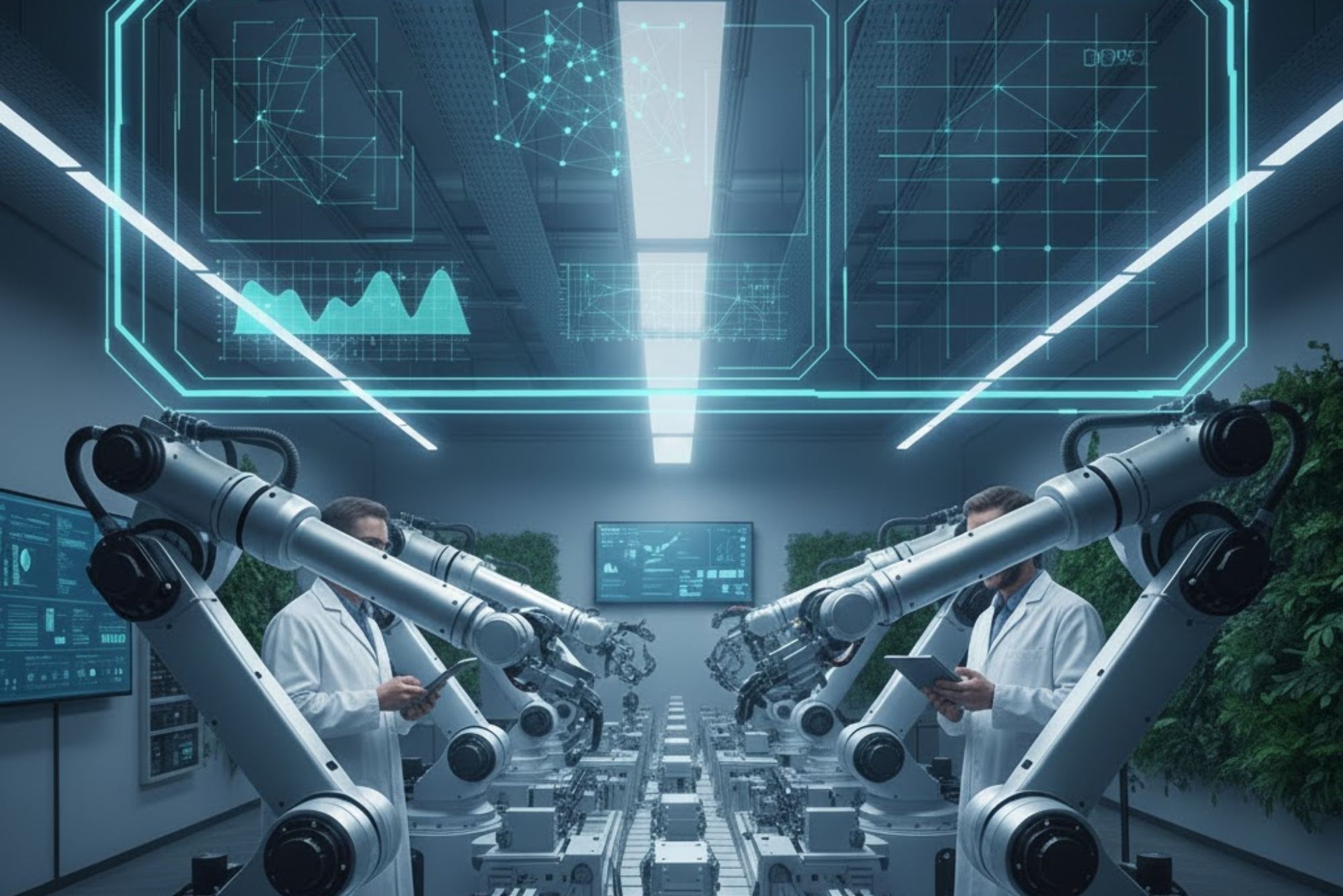
The Future of Robotics in a Smart, Safe, and Sustainable System
Advanced Cognitive Robotic System
Dacta Robotics offers robotic systems equipped with cognitive Artificial Intelligence (AI). This technology enables robots to go beyond simple automation, ensuring decision-making autonomy and self-learning capabilities. The solutions are ready for Industry 5.0, fostering flexible and intelligent collaboration between humans and machines.
Deep Integration and Manufacturing Capabilities
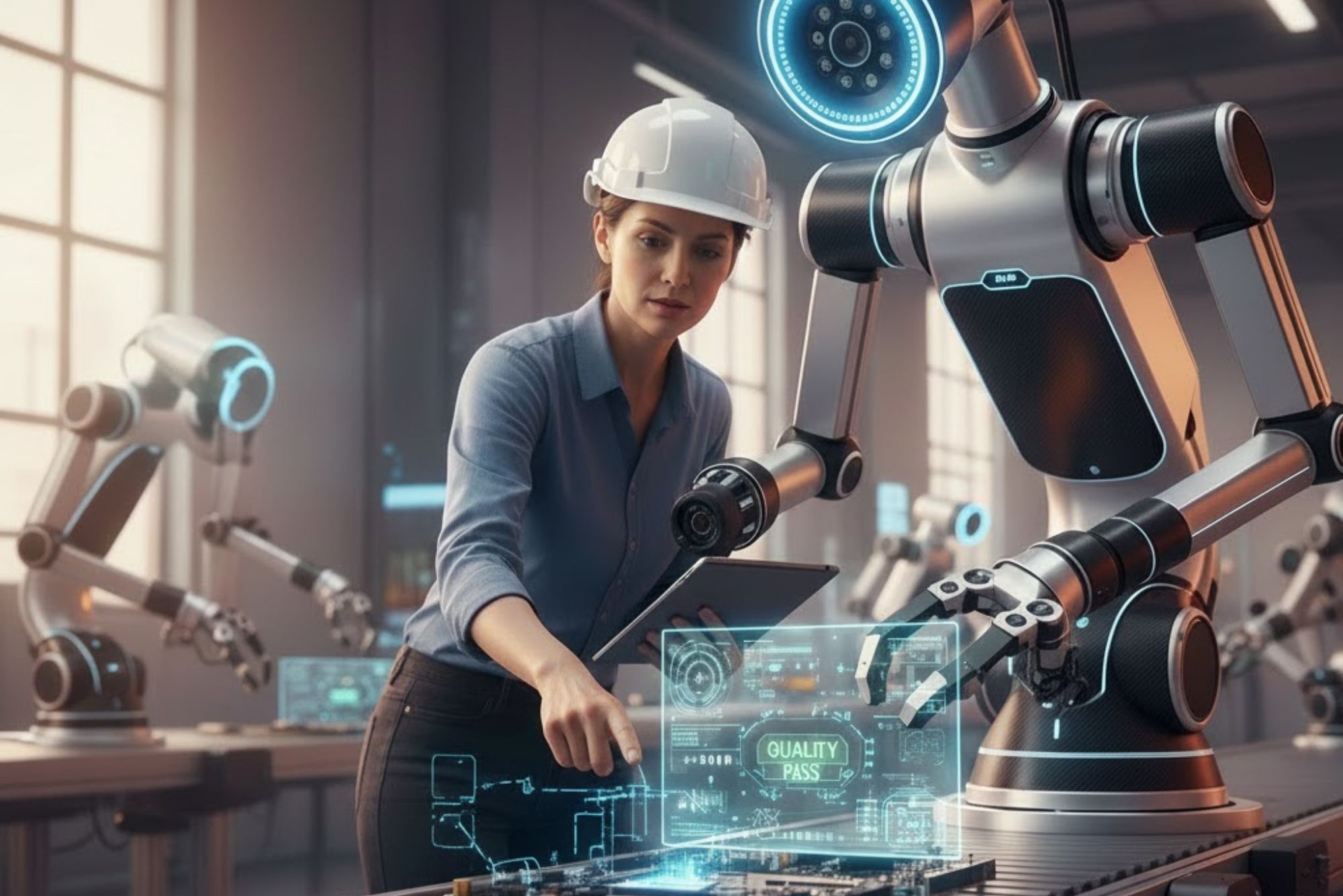
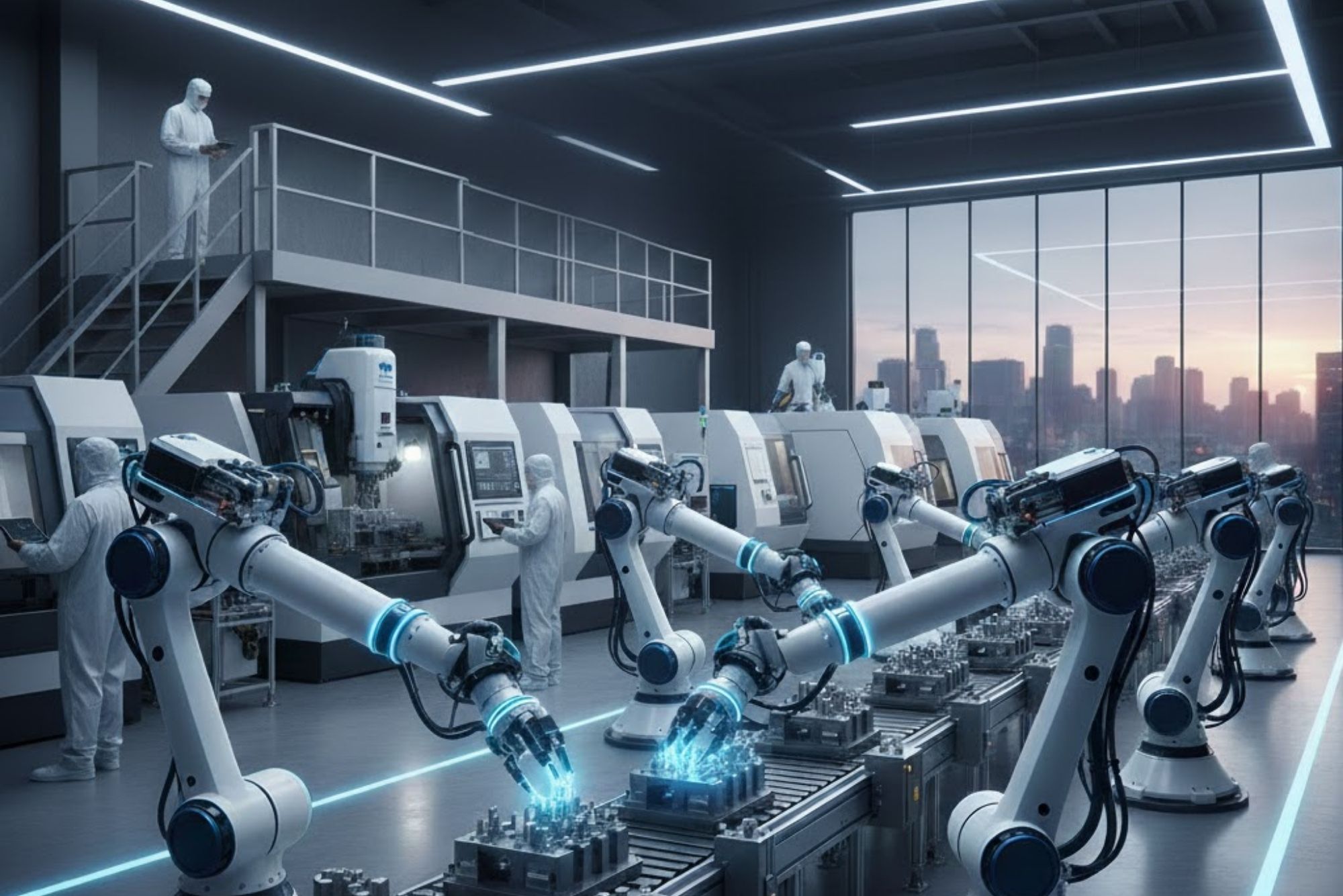
Our solutions are designed to perform the most critical manufacturing operations with millimetric precision, such as cognitive pick & place, machine tending, and advanced quality inspection processes with automatic defect detection.
Deep Integration and Manufacturing Capabilities
Our solutions are designed to perform the most critical manufacturing operations with millimetric precision, such as cognitive pick & place, machine tending, and advanced quality inspection processes with automatic defect detection.
Functional Design and Operational Safety
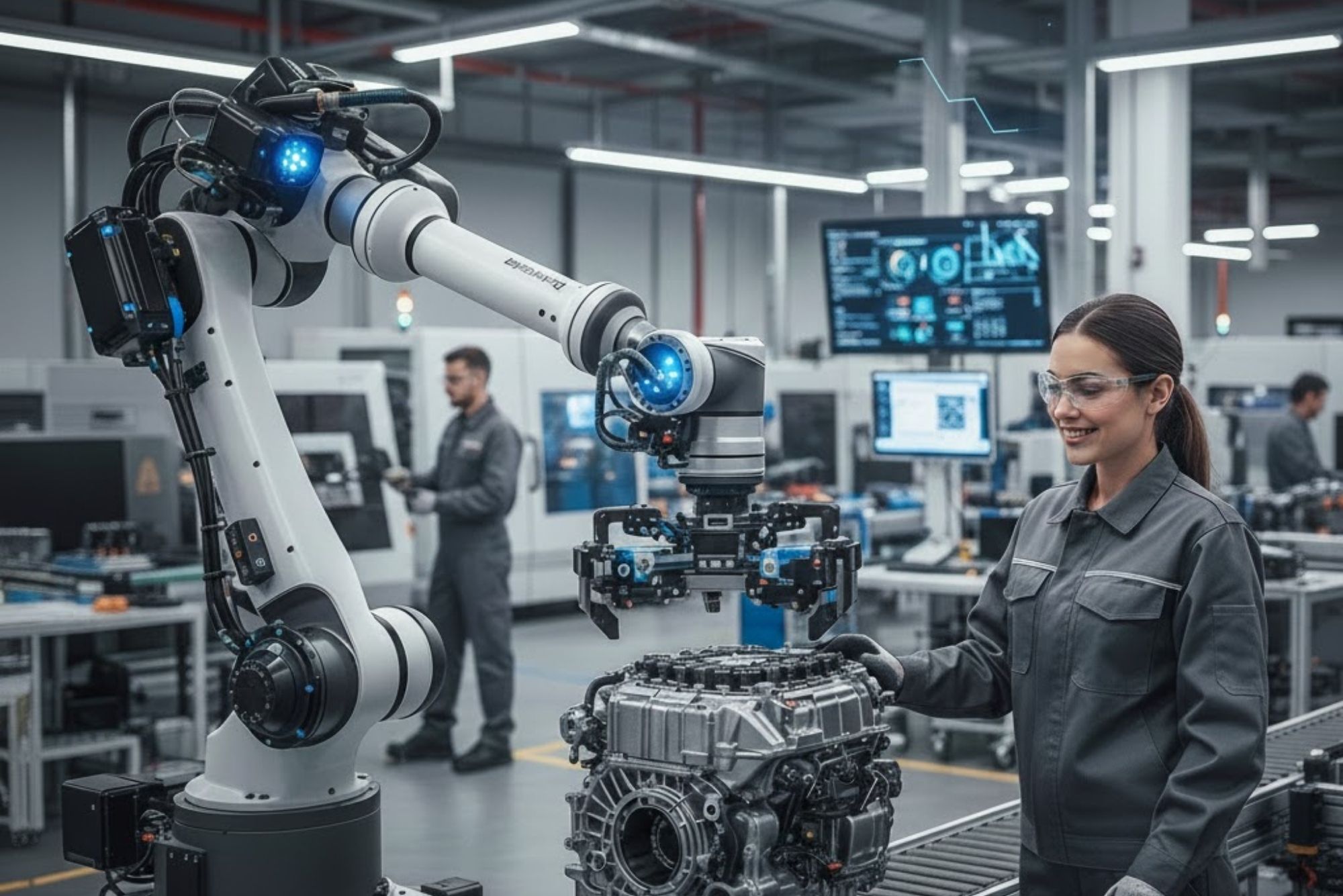
In Dacta Robotics’ vision, safety and ergonomics come first. By applying Cobotics principles, robots are equipped with advanced sensors that allow them to operate safely alongside humans, eliminating the need for physical barriers. This functional design transfers strenuous, repetitive, or high-risk tasks to the robot, significantly improving employee well-being and productivity.
Functional Design and Operational Safety
In Dacta Robotics’ vision, safety and ergonomics come first. By applying Cobotics principles, robots are equipped with advanced sensors that allow them to operate safely alongside humans, eliminating the need for physical barriers. This functional design transfers strenuous, repetitive, or high-risk tasks to the robot, significantly improving employee well-being and productivity.
AI-Based Platform and Flexibility
Dacta Robotics’ technological offering is supported by an AI-based platform that ensures operational flexibility and investment sustainability. The ease of system reprogramming (thanks to intuitive interfaces) and process efficiency not only protect long-term investments but also contribute to energy efficiency and waste reduction – key factors for accessing incentives.
AI-Based Platform and Flexibility
Dacta Robotics’ technological offering is supported by an AI-based platform that ensures operational flexibility and investment sustainability. The ease of system reprogramming (thanks to intuitive interfaces) and process efficiency not only protect long-term investments but also contribute to energy efficiency and waste reduction – key factors for accessing incentives.
Send us your request
Dacta was born from a passion for excellence, reliability, and a clear vision of the future. Edge computing and intelligent infrastructures are key to transforming the most critical sectors.